

Learn how to make slime less sticky with our helpful guide! Sticky slime is one of the most common slime problems, and it can be so frustrating when your slime looks fun but glues itself to your fingers, the table, and everything else nearby.
The good news is that sticky slime is usually fixable! The trick is figuring out whether your slime needs more activator, more kneading, or a small texture adjustment. Keep reading below and learn how to fix sticky slime without it becoming stiff, rubbery, or over-activated.
This post contains affiliate links. If you use these links to buy something, we may earn a small commission at no extra cost to you. This helps support our website and allows us to keep creating fun, free content.
Why is my slime sticky?
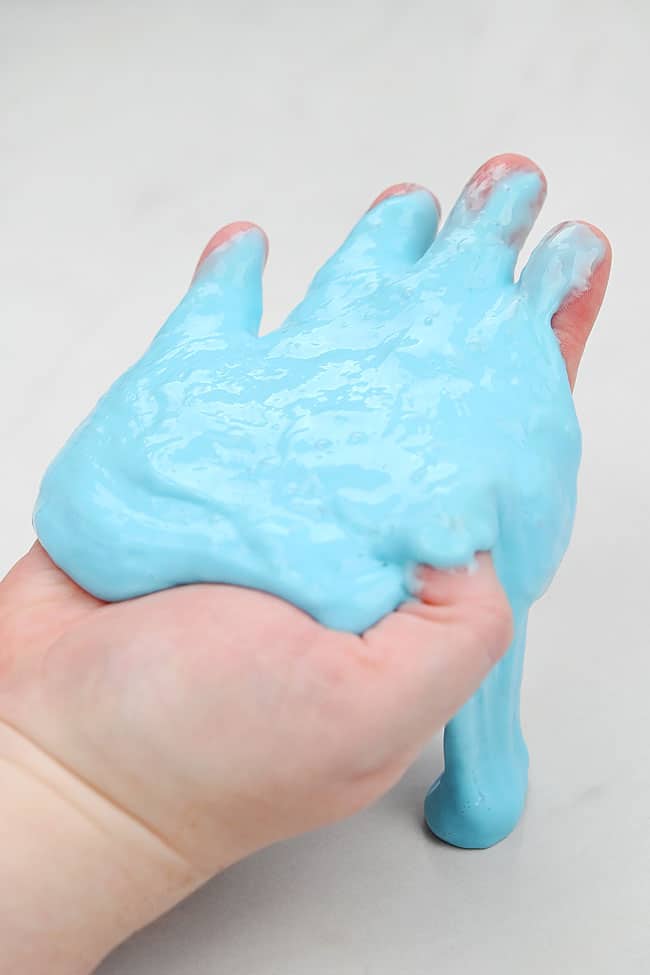
Slime can be sticky for a few different reasons. Most of the time, sticky slime simply needs more activator. Activator is the ingredient that helps the glue turn into slime, so if there isn’t enough, the slime will stay wet, gooey, and difficult to handle.
Sometimes slime is sticky because it hasn’t been kneaded enough. Slime often feels very sticky right after mixing, but as you knead it, the texture can become smoother, stretchier, and less tacky. This is why you shouldn’t add too much activator to start with.
Your slime can also become sticky if the recipe has too much water, lotion, or another softening ingredient. Warm hands or a warm room can make slime feel looser and stickier too, especially with softer slime recipes. Some slime textures are also naturally a little stickier than others.
Finally, old slime can become sticky again as it sits, especially if it melts slightly in storage. In that case, it may need a small amount of activator to bring it back to the right texture.
What’s the best way to fix sticky slime?
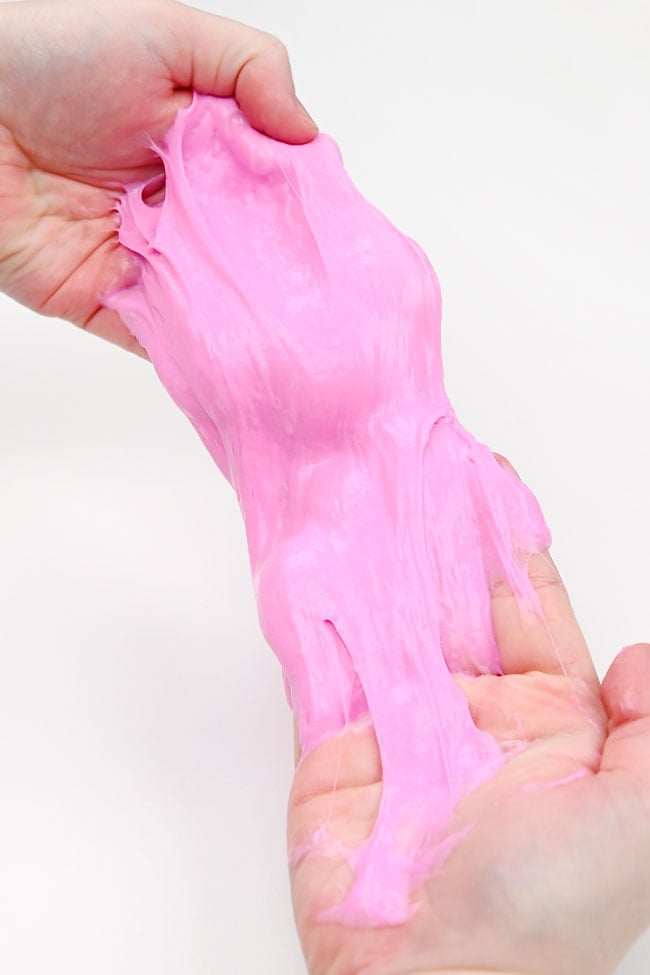
Start by kneading the slime first. Slime forms when the activator helps link the glue molecules together, creating a stretchy polymer network. Kneading helps spread the activator evenly through the slime, giving those links more time to form and making the texture smoother and less sticky.
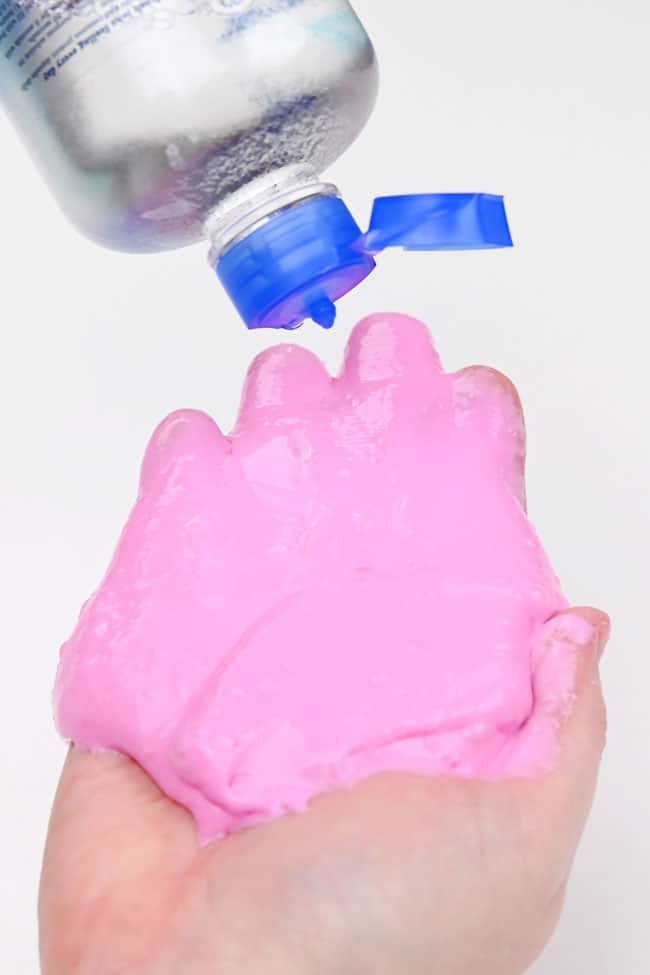
If the slime is still sticking to your hands, add activator a few drops at a time. Knead well after each small addition so the activator has time to work through the slime.
You can also let the slime sit for a minute before adding more activator. Sometimes slime continues to firm up slightly after mixing, and a short rest can help you avoid adding too much.
If the slime is only slightly tacky, rub a tiny amount of lotion or baby oil on your hands before playing. This won’t fix slime that is runny or under-activated, but it can help with slime that’s just a bit sticky on the surface.
Once the slime is fixed, store it in an airtight container so it doesn’t dry out or collect dust.
How do you make slime less sticky?
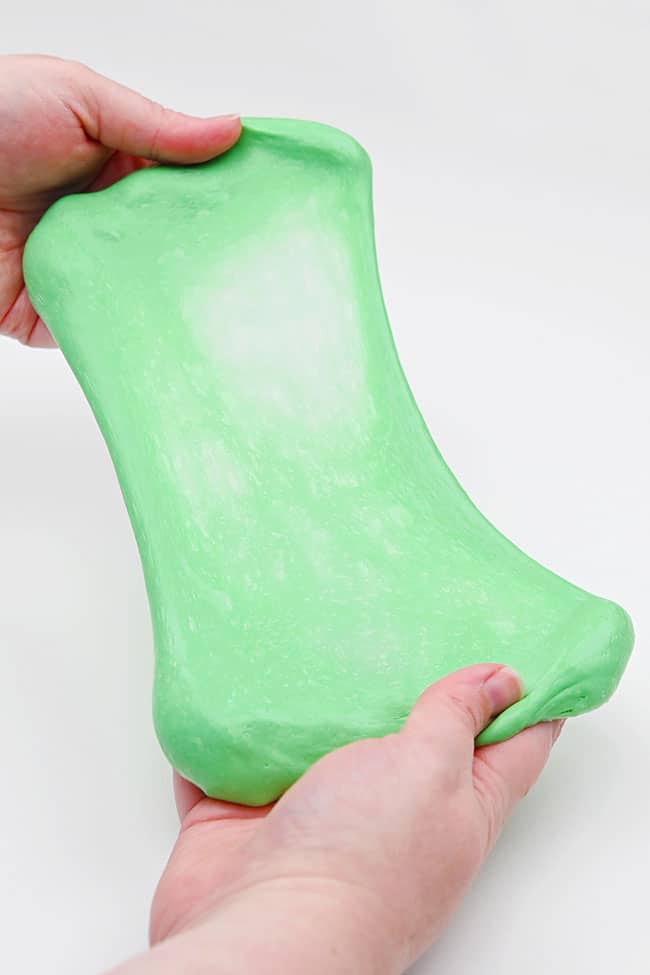
If you’ve already kneaded your slime, the best way to make it less sticky is to add a small amount of slime activator — literally a few drops. Then you’re going to want to knead it well again, for at least 30 seconds.
If the slime is still too sticky, add a little bit more activator and knead again. Repeat this slowly until the slime sticks to itself and pulls away from your hands more easily.
It’s important that you don’t pour in a lot of activator at once. It’s easy for slime to go from under-activated to over-activated. Too much activator will make slime stiff, rubbery, and less stretchy, and it’s much harder to fix over-activated slime than sticky slime.
How do you make slime less sticky without activator?
There are a few ways to make slime less sticky without adding more activator, but it depends on how sticky the slime is.
If the slime is only a little sticky, knead it longer. Slime often needs time to come together, especially right after mixing. You can also let it sit uncovered for a few minutes if it feels too wet — but don’t leave it out too long or it may start to dry out.
If you’re using a contact lens solution slime recipe, you can also knead in a small pinch of baking soda to help firm up the texture. Baking soda doesn’t activate slime the same way contact solution does, though, so if the slime is still very gluey or runny, it probably needs more activator.
If the slime feels warm, loose, or extra stretchy, try chilling it briefly in the fridge. Cooler slime is often easier to handle, especially on warm days.
For slightly tacky slime, rub a tiny amount of lotion, baby oil, or hand soap on your hands before playing. This can make the slime feel less sticky while you handle it, but it won’t activate slime that’s still runny.
You can also adjust the texture with add-ins. A small amount of clay can make slime thicker and turn it into a butter slime style texture. Foam beads, instant snow, or other slime add-ins can also help make some slimes easier to hold.
Keep in mind that these fixes don’t work the same way as activator. They can help with texture and handling, but if the slime is truly under-activated, it probably still needs a little more activator.
How do you keep slime from getting sticky again?
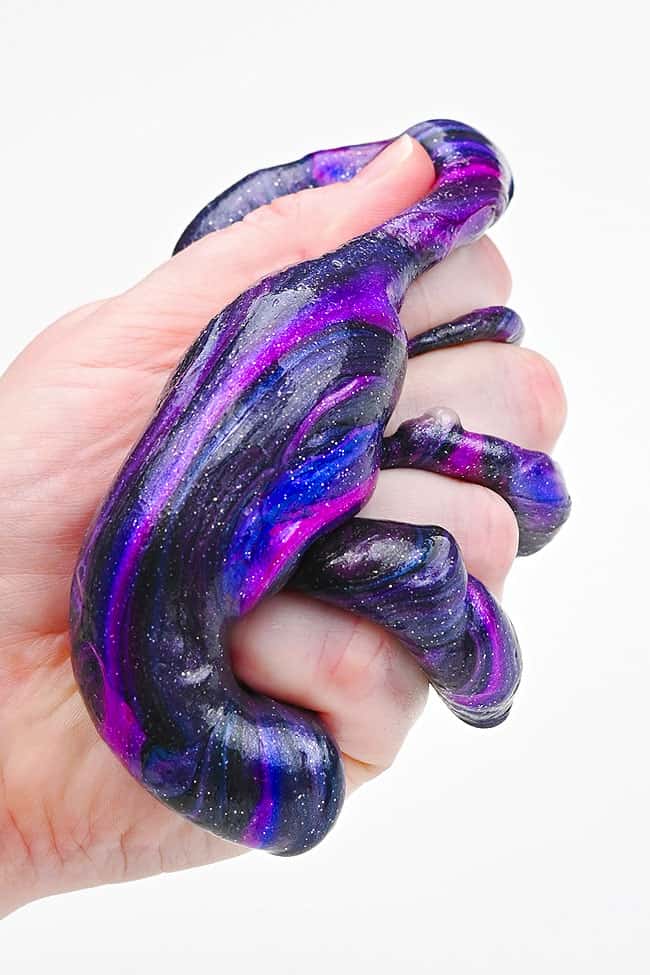
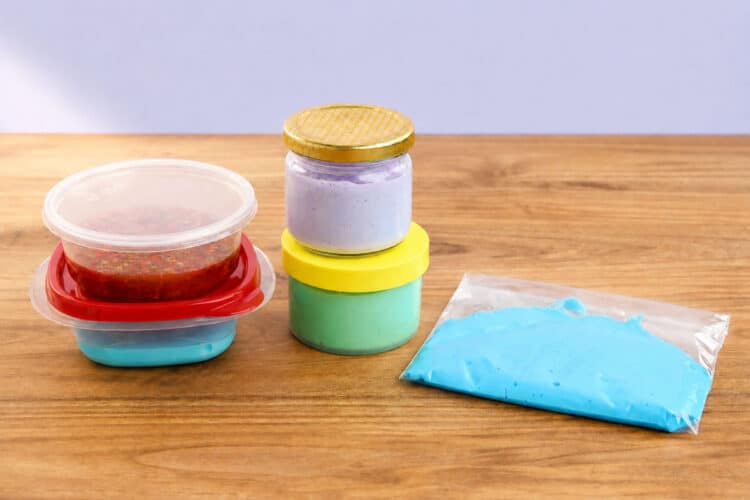
Store slime in an airtight container when you’re not using it. This helps keep the texture fresh and prevents dust, crumbs, and lint from getting mixed in.
And don’t leave slime in a hot room, sunny window, or warm car. Heat can make slime melt and become sticky again. If slime does become tacky after storage, add activator only when needed, and always add it a little at a time.
When should I start over with sticky slime?
Most of the time sticky slime can be fixed with more kneading or a little extra activator, but not every slime can be saved easily. If a recipe has too much glue, water, lotion, shaving cream, or other mix-ins, the proportions may be too far off for the slime to come together properly.
This can happen more often with specialty slime recipes, like fluffy slime, butter slime, cloud slime, or other textured slimes. These recipes need the right balance of glue, activator, and add-ins, and adding more and more activator can sometimes make the slime rubbery in some spots while still sticky in others.
If your slime is still runny, lumpy, or gluey after several small additions of activator and lots of kneading, it may be easier to start over with a more reliable recipe. Add your extra ingredients slowly next time, and make sure the base slime is coming together before adding too many texture mix-ins.
Here’s some fun slime recipes:


Now available
Low-Mess Crafts for Kids Book
72 cute and fun crafts that kids and parents alike can enjoy. All with as little mess as possible!
Where to buy:
You can purchase Low-Mess Crafts for Kids from Amazon, or wherever books are sold:
Amazon | Barnes and Noble | Books-A-Million | Indiebound | Amazon Canada





Leave a Reply