

Sheep bean art is a simple (and simply adorable) spring craft that’s perfect for kids and adults alike! Using beans to create a “fluffy” texture, you can craft an adorable lamb—one of the sweetest symbols of spring and Easter. Whether you’re making a standalone sheep or designing a full farmyard scene, this textured art project is as cute as it is creative!
Display your finished sheep bean art as part of your Easter decorations, turn it into a fridge magnet, or create a whole flock for a festive springtime collage. This bean craft is a great activity for preschoolers, older kids, and even adults looking for a relaxing hands-on DIY project. It’s a fun and festive way to celebrate Easter while getting creative with texture and design!

This post contains affiliate links. If you use these links to buy something, we may earn a small commission at no extra cost to you. This helps support our website and allows us to keep creating fun, free content.
How to Make Sheep Bean Art
Materials:
Equipment:
Watch the step-by-step video tutorial:
Instructions:
Step 1: Find what you need
- Gather your supplies and materials.


Step 2: Prepare the cardboard base
- Print the sheep bean art template (find the link in the materials list above!) and cut out the pieces.

- Trace the pattern pieces onto cardboard and cut them out.


Step 3: Add the beans
- Add a generous amount of glue all over the sheep’s body (but not too near the edge).
- Begin placing beans one by one into the glue, as close to each other as possible.
- Repeat until the whole surface is covered. (You can also sprinkle the beans on to save time, but you’ll need to adjust them so they sit flat and don’t leave any gaps). Allow the glue to dry.


Step 4: Glue the legs and head
- Add a line of hot glue to the tops of the legs.
- Connect them to the bottom of the body.
- Add some hot glue to the back bottom part of the head. Flip it over and connect it to the top of the sheep’s body.


Step 5: Add the final details
- Add a small amount of hot glue to the top of the sheep’s head. Place a piece of white dried moss into it.
- Use a fine tip black marker to draw the sheep’s face.
- Your sheep bean art is complete!
- Use different beans and lentils to make a variety of sheep!


Helpful Tips:
- If you’re using thin cardboard or cardstock for your sheep bean art, it may start to warp. You can keep your bean art flat by placing a heavy tray on top of it while it dries. Or bend them back carefully after they’ve dried.
- You can change the sheep’s colour by painting over the beans with an acrylic craft paint once the glue has dried. You can also paint the cardboard backing before adding the beans for a more solid, uniform look.

Get our free printable sheep bean art templates:
The links below will take you to our free printable sheep bean art templates! The PDF files will open in a new window. Then simply print the templates on 8.5 x 11 (letter size) cardstock or printer paper.
>>> Sheep Bean Art Template #1 (Tall) <<<
>>> Sheep Bean Art Template #2 (Wide) <<<
What type of beans should I use for my bean sheep?
We used whole yellow peas to make the sheep craft in the tutorial above. Their size and round shape closely resembles the fluffy look of a sheep’s fleece, and the light beige colour works well for a natural design.
But we also used romano beans, navy beans, black turtle beans, and chick peas (garbanzos) to make other lamb designs.
You can use lots of other types of dried beans or lentils to make your bean art, whatever you have available. If the colour of the beans doesn’t match your vision, simply paint over them with acrylic craft paint once the glue has dried. This allows you to customize your sheep’s wool to match your Easter or spring decor!

What’s the best glue for making bean art?
No matter what you’re creating (whether it’s a fluffy farm animal craft or a fun Easter sheep made with beans), choosing the right glue makes the process easier and helps your project last!
White school glue is a top choice for giving best results with bean art. It spreads easily across the surface, stays wet long enough to place all your beans, provides a strong hold once dried, and dries clear. Clear glue is another good (and inexpensive) option.
Tacky glue will also work, but it does dry a lot quicker. Hot glue is another option, but it isn’t easy to spread, and you would need to glue one or two beans at a time because of how quickly it dries.

Do I have to use cardboard for my bean sheep base?
We like to use cardboard as the base of our bean art. It’s sturdy and provides a firm backing, making it easy to pick up the craft and display it as finished artwork. A thin piece of recycled cardboard, like one from a cereal box, works well and adds an eco-friendly touch by upcycling materials. (Plus, it’s free!!)
But if you don’t have cardboard lying around, there are definitely other options. Here are a few simple ideas:
- Craft foam: It’s lightweight, easy to cut, and holds glue well.
- Thick poster board: Sturdier than paper, but still easy to cut into the right shape.
- Stiff felt: This is a little more flexible than cardboard, but will still hold up well. It also offers a soft texture element to the back.
- Construction paper or printer paper. As a last resort, these thin papers will work, but they’ll need careful support when moving the sheep around.
No matter what base you choose, this adorable craft is a fun and creative way to celebrate Easter and spring!

Sheep bean art is a baa-rilliant way to get creative with simple materials! Each fluffy little lamb will have its own unique charm, making this craft as enjoyable to make as it is endearing to admire. Display your single masterpiece or make a whole flock—either way, it’s a farm-tastic DIY activity to enjoy!
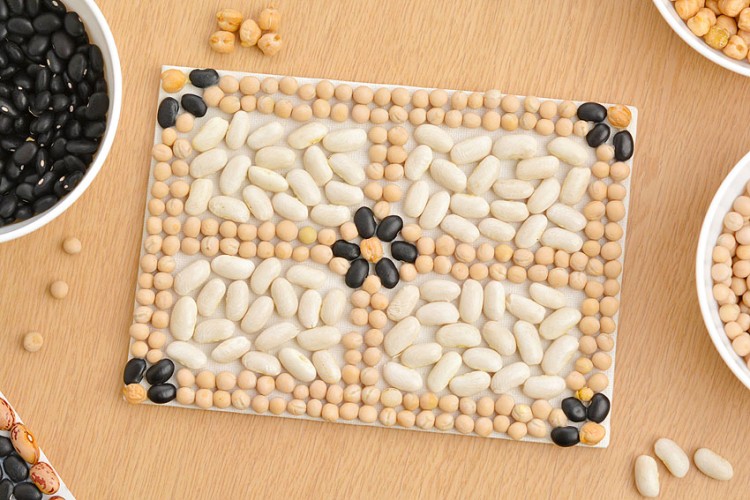
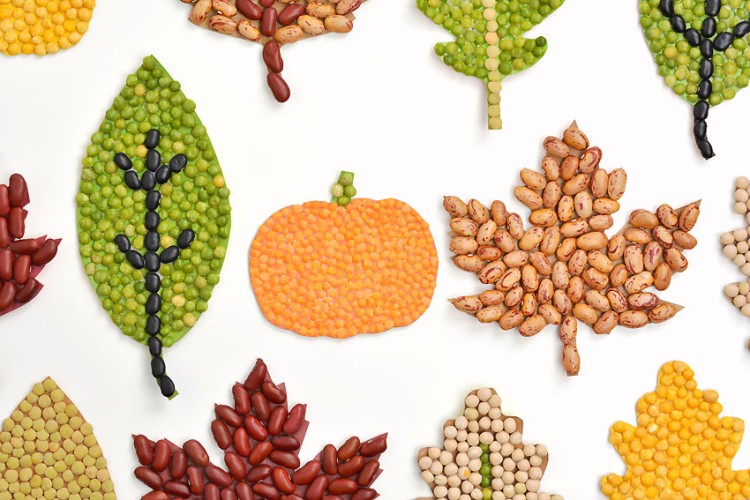
Here’s even more bean art ideas:

Now available
Low-Mess Crafts for Kids Book
72 cute and fun crafts that kids and parents alike can enjoy. All with as little mess as possible!
Where to buy:
You can purchase Low-Mess Crafts for Kids from Amazon, or wherever books are sold:
Amazon | Barnes and Noble | Books-A-Million | Indiebound | Amazon Canada





Leave a Reply