

Slime doesn’t last forever, but the right storage can keep it soft, stretchy, and fun to play with for much longer. Air, heat, dirt, and loose-fitting lids can all change the texture of homemade slime, causing it to dry out, become sticky, or collect unwanted bits of lint and dust.
Thankfully, storing slime is easy once you know what works! This guide covers the best slime containers, whether slime belongs in the fridge, how long different types of slime usually last, and the simple habits that’ll help keep every batch fresh.
This post contains affiliate links. If you use these links to buy something, we may earn a small commission at no extra cost to you. This helps support our website and allows us to keep creating fun, free content.
The Best Way to Store Slime
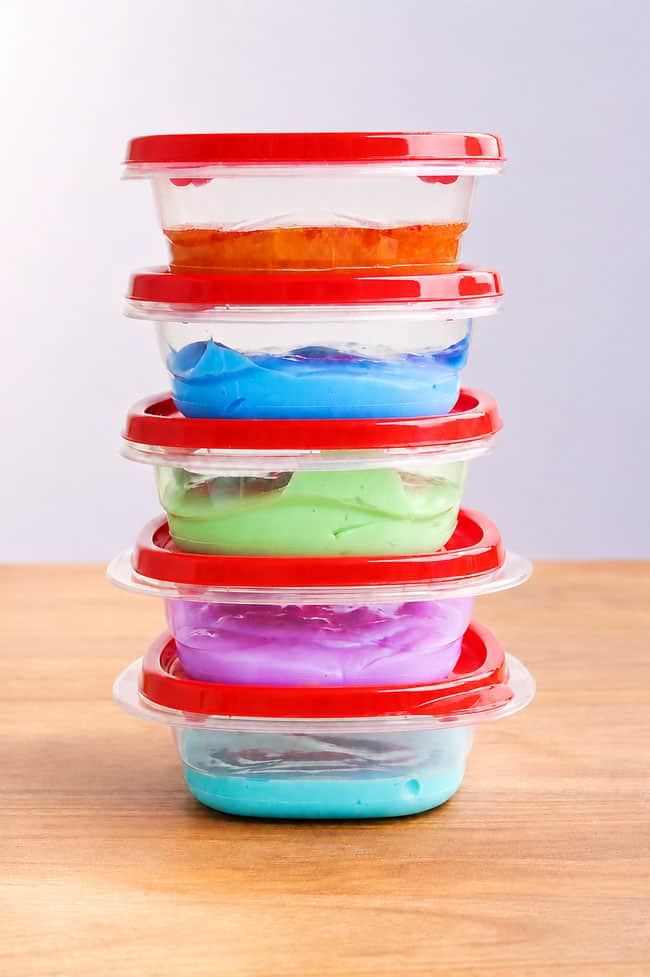
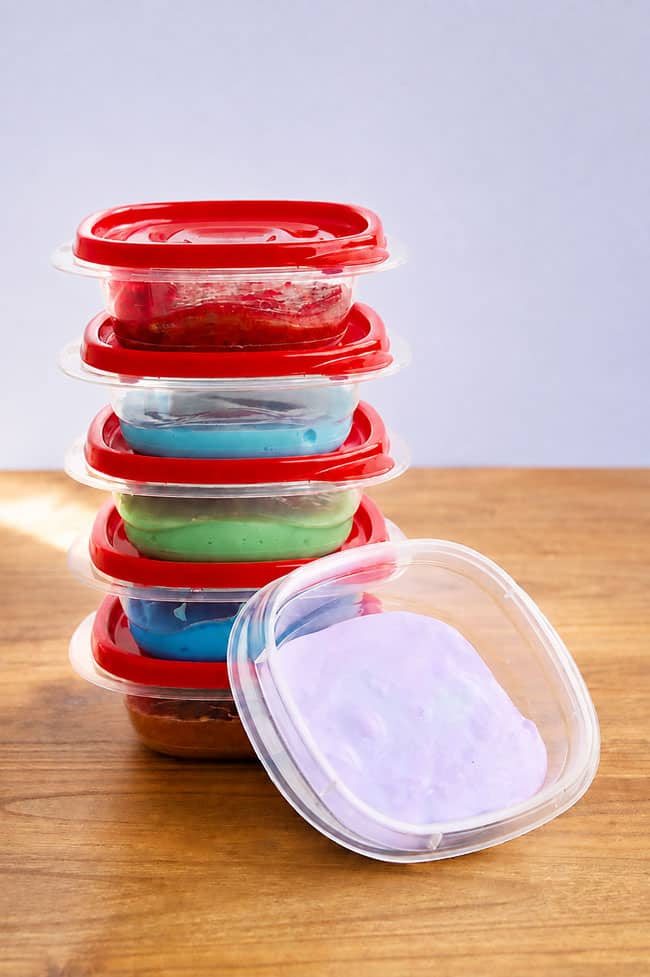
The best way to store slime is in a clean, airtight container at room temperature. Choose a container that’s close to the size of your slime, press the lid on tightly, and keep it away from direct sunlight or other sources of heat.
A snug container leaves less empty space and limits the amount of fresh air introduced every time you open it. However, the quality of the seal matters more than filling the container completely.
For the best results:
- Use an airtight container.
- Wash and dry your hands before playing.
- Return the slime to its container as soon as you’re finished.
- Close the lid tightly after every use.
- Store it at room temperature.
- Keep it away from sunlight and any other heat source.
Even a great container can’t protect slime that’s been left uncovered for hours, so putting it away promptly is one of the easiest ways to extend the life of your slime.
What’s the Best Container for Slime?
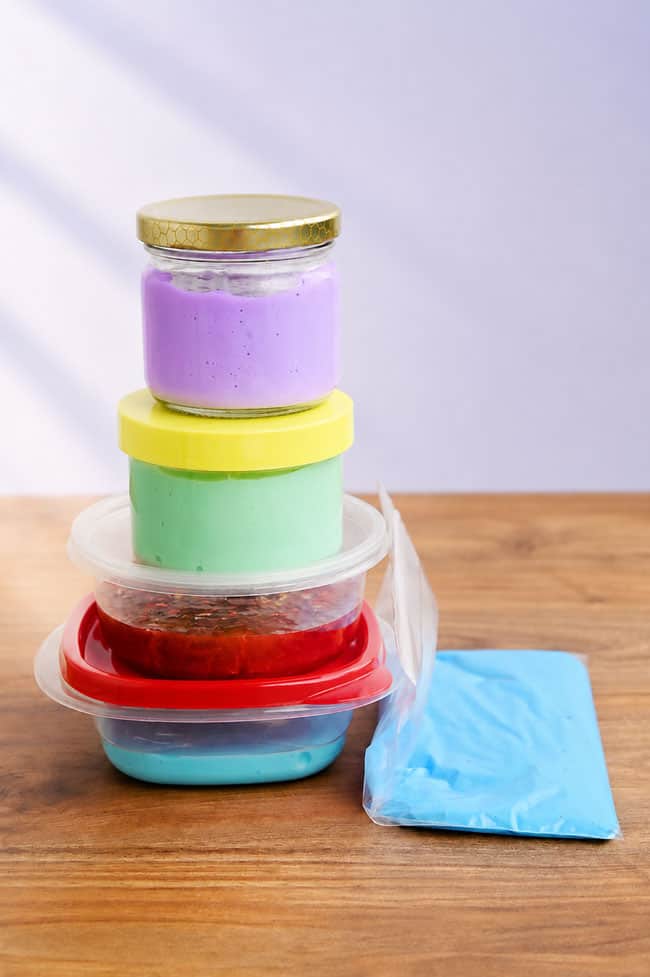
The best slime container is airtight, easy to open, and close in size to the amount of slime you need to store. Clear containers are especially convenient because you can see the colour and texture without opening the lid.
No matter which type you choose, try to pick a container that’s close to the size of your slime. A container that’s too large leaves more trapped air inside, while one that’s too small can make the slime messy to store.
Small plastic deli containers
Pros:
- Inexpensive
- Airtight
- Stackable
- Available in lots of useful sizes
Cons:
- Thinner plastic can crack or bend
- Lids may loosen over time
Best for: Budget-friendly slime storage or storing several batches at once.
Reusable food containers
Pros:
- Easy to find
- Durable
- Reusable
- Usually seal well
Cons:
- Can be harder to find in the exact right size (we recommend 1-1/4 cup containers)
- Larger containers may leave too much empty space
Best for: Everyday slime storage. These containers are what we use most often.
Slime containers sold online
Pros:
- Made specifically for slime
- Often have a nice, clean look
- Good for gifting or organizing a slime collection
Cons:
- More expensive than regular containers
- Not as easy to grab locally
Best for: Slime gifts, party favours, or a more polished slime container.
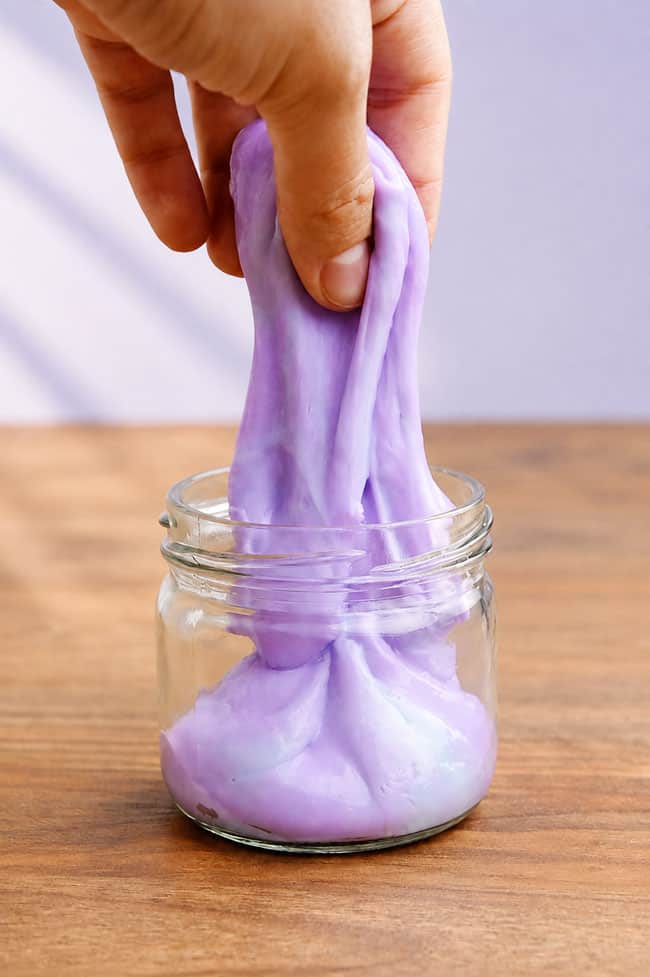
Mason jars
Pros:
- Reusable
- Seal tightly
- Clear, so the slime looks pretty inside
Cons:
- Heavy
- Breakable
- Slime can be harder to remove from mason jars
Best for: Older kids or decorative storage at home.
Plastic screw-top jars
Pros:
- Lightweight
- Durable
- Usually airtight
- Easy to reuse
Cons:
- Can cost more than basic food containers
- Narrower openings on the plastic jars can make slime harder to remove
Best for: Long-term storage, especially for clear slime or giftable slime.
Can You Store Slime in a Ziploc Bag?
Yes, a resealable plastic bag works for short-term storage or travel. Squeeze out most of the air before sealing it, but keep slime away from the zipper track.
Bags take up little space, but they can split, leak, and make sticky slime difficult to remove. We used to use baggies to store our slime, but found that rigid airtight containers are much better for long-term storage.
Should You Store Slime in the Fridge?
Usually, no. Homemade slime keeps best in an airtight container at room temperature.
Refrigeration can make slime temporarily stiff, and condensation may add unwanted moisture as it warms up. During very hot weather, keep slime in the coolest room available, or even a dark cupboard, rather than refrigerating.
How to Keep Slime Fresh
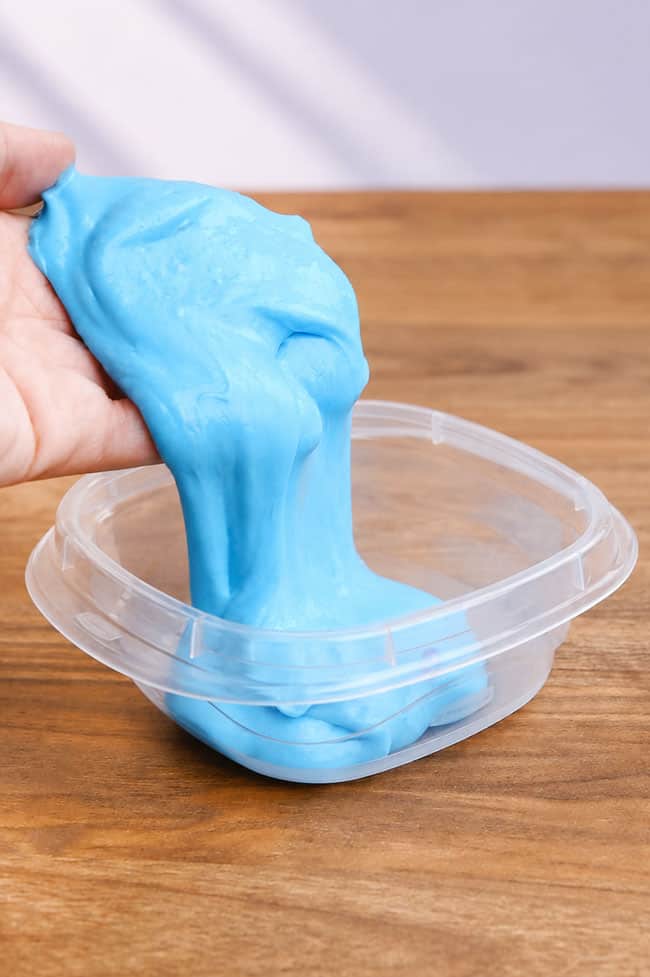
Wash and dry your hands before playing, and use slime on a clean, smooth surface. Keep it away from pets, carpet, blankets, and anything that can add hair, dust, or lint.
Don’t leave slime sitting out when you’re finished. Return it to its container right away, close the lid tightly, and keep it away from direct sunlight and excessive heat. It’s also best to store different slimes separately, since mixing them can change their colour and texture.
How Long Does Slime Last?
There’s no exact expiration date for homemade slime. Its lifespan depends on the recipe, how often it’s handled, the storage container, and how clean it stays.
As a general guide, most slimes will last for several weeks or even a few months with careful storage. Here are some more details and exceptions:
- Clear slime: Frequent play may make it cloudy or fill it with air bubbles. Let it sit again overnight before playing.
- Butter slime: The clay may gradually dry and change the texture.
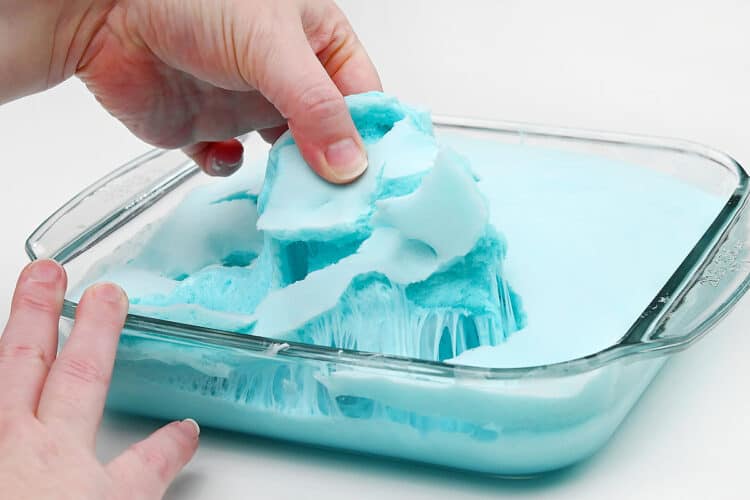
- Cloud slime: The artificial snow can eventually become drier or more crumbly.
- Fluffy slime: The fluffiness from the shaving cream will start to deflate within the first couple days. The remaining slime base may still be usable, but it won’t have the same texture.
How the slime looks, smells, and feels is more important than its age. Throw it away if you notice visible mold, an unpleasant or unusual smell, or a major texture change that can’t be corrected.
How to Fix Slime After Storage
Slime can change slightly while it sits, but that doesn’t always mean it needs to be thrown away.
If stored slime feels sticky, knead it for a moment before adding anything. It may simply need to be mixed again or allowed to warm to room temperature. If it remains sticky, follow our guide on how to make slime less sticky.
Slime that feels firm or rubbery may have too much activator or may have lost moisture during storage. Our guide on how to fix rubbery slime explains how to soften it without making it overly sticky.
Always make small adjustments. It’s much easier to add another drop of activator or lotion than it is to reverse a large amount.
Proper slime storage comes down to three important rules: use an airtight container, keep it at room temperature, and keep it clean. With those simple habits, most homemade slime can stay soft, stretchy, and ready for plenty of future play sessions!
Here’s some fun slime recipes to try:

Now available
Low-Mess Crafts for Kids Book
72 cute and fun crafts that kids and parents alike can enjoy. All with as little mess as possible!
Where to buy:
You can purchase Low-Mess Crafts for Kids from Amazon, or wherever books are sold:
Amazon | Barnes and Noble | Books-A-Million | Indiebound | Amazon Canada






Leave a Reply