
Cyanotype printing is such a fun and easy way to create stunning, blue-tinted art! This super cool sun print craft is one part science experiment and one part art project, and it’s easy enough for anyone (including kids!) to do at home.
Originally developed in the 1800s, cyanotypes have a magical quality that transforms everyday objects like leaves and flowers into beautiful cyan-blue art. And you don’t need any fancy equipment to make these botanical prints! Just grab a few basic materials and use the power of the sun to make your own cyanotype art. It’s so much fun!

This post contains affiliate links. If you use these links to buy something we may earn a small commission which helps us run this website.
How to Do Cyanotype Printing
Equipment:
- Baking sheet (or tablecloth)
- Cardboard sheet (large enough to fit paper)
- Acrylic or glass sheet (from picture frame; or acrylic)
- UV light (optional)
- Glass baking dish (optional)
- Water (to rinse paper)
Watch the step-by-step video tutorial:
Instructions:
Step 1: Find what you need
- Gather your supplies and materials.


Step 2: Mix the cyanotype chemicals
- Before working with cyanotype chemicals, protect your working surface with a drop cloth and/or a baking sheet. Always wear protective nitrile gloves and an apron.It’s also recommended to work in a dimly lit room. This will stop bright light sources from prematurely triggering the chemical reaction.
- Prepare the cyanotype mixture according to the package instructions.Begin by pouring 1 part of solution “A” (potassium ferricyanide) into a measuring cup.

- Then pour 1 part of solution “B” (ferric ammonium citrate) into the measuring cup.Only add part B when you’re ready to work with the solution, as it has a limited working time once mixed.
- Stir the 2 parts of the mixture together until well combined.


Step 3: Apply the mixture and allow to dry
- Place a piece of watercolor paper onto your protected work surface.
- Paint a thin layer of the mixture onto the watercolor paper using a foam brush.This type of brush will give you an even application without leaving brush strokes.
- Once the paper is entirely covered with the mixture, allow to sit and dry.This can take anywhere from 30 minutes to 2 hours, but for best results we recommend placing the paper in a dark area (like a cupboard) and waiting for 24 hours.
- Once the paper is completely dry it should change colour to a bluish grey.Place the paper onto a sturdy piece of cardboard or a clipboard.


Step 4: Arrange the botanicals and expose to light
- Arrange the pressed flowers onto the paper in the design of your choice.
- Cover the paper with a piece of glass. Some cyanotype kits will come with a sheet of glass or acrylic, or you can use glass from a picture frame.The glass will press the flowers completely onto the paper. This protects the page underneath the flowers from UV light, while allowing even exposure for the rest of it.Adding the glass creates a crisp and detailed image, so leave it off if you want your print to have a more ethereal, artsy look.
- Add a few binder clips around the edge, keeping the 3 layers together and stopping the flowers from shifting.
- Now you need to expose your paper to sunlight. Place the covered paper in direct sunlight for 5 to 10 minutes, or until the paper changes to a bronze-grey colour.You can also use a UV light indoors to expose your print, like we did here. Hold the light or hang it about 6 inches above the paper.


Step 5: Remove the flowers and rinse the paper
- Once the print has been exposed in the sun, remove the binder clips and the glass.
- Then carefully remove the flowers.
- Place the paper into a baking dish or rinsing tray.
- Fill the dish about half way with cold water.
- Swish the paper around in the water to develop the final image and rinse off any unreacted chemicals. Continue soaking for a minute or two until the colour darkens.You can also rinse the paper under cold, running water in a sink or laundry tub.
- Remove the print from the water and allow to dry completely.You can blot the excess water off with a paper towel and then hang the paper on a clothesline or set it on a cooling rack.You can even use a fan or hairdryer on a cool setting to speed up the drying time.
- Your cyanotype print is complete!


Helpful Tips:
- Cyanotype is a non-toxic, kid-friendly craft that’s safe to work with, so long as you follow the recommended guidelines. Cover your work surface, wear an apron to protect your clothes, and wear nitrile gloves to prevent skin irritation.
- Use a separate blank piece of paper to plan the layout of the flowers on your cyanotype print. This will allow you to work quickly and easily once the paper is ready.

What is cyanotype?
Cyanotype is a photographic printing process that creates images with a distinct blue color, known as “Prussian blue.” You may also see cyanotype referred to as “sun printing”.
Cyanotypes were invented in 1842 by scientist Sir John Herschel as a way to reproduce notes and diagrams. It quickly became popular in art and photography, especially for creating photograms (images made by placing objects directly onto light-sensitive surfaces).
To make a cyanotype, the surface (usually paper or fabric) is coated with a combination of two chemicals: ferric ammonium citrate and potassium ferricyanide. Then, once the surface is dry, it’s exposed to sunlight (UV light), causing the chemicals to react and form the rich blue color. After exposure, the print is rinsed with water to stop the reaction and reveal the final image.
Cyanotype is beloved for its simplicity and the striking, deep blue images it produces. It’s incredibly beautiful and easy to do, making it a favourite for both beginners and experienced artists.
Can I do cyanotype printing on a non-sunny day?
Yes, you can use a UV light to expose the cyanotypes indoors if there isn’t enough sun outside. This makes it the perfect craft for even cloudy days or nighttime.
Depending on the size of your picture you can use a nail lamp, a UV resin light, or a small panel that’s meant for black light parties. You can find all of these styles of lights on Amazon.

What paper is best for cyanotype printing?
Cotton-based papers like watercolor or mixed media paper work great for cyanotypes. You can also look for cartridge paper or printmaking paper.
Whichever type of paper you use, it needs to be thick and sturdy, since it will be exposed to liquid 2 different times. It should also be acid-free paper, so it won’t interfere with the chemical reaction.
And, if you don’t want to make the mixture and brush it onto the paper yourself, buy cyanotype paper that’s already treated with the chemicals.
Or look beyond paper for your cyanotype printing. You can also make wearable cyanotype prints on fabric, such as cotton or linen!
How long does it take to expose the cyanotype print?
The exact amount of time will depend on the strength of the light source. Bright direct sunlight may work as quickly as 5 minutes, while regular partially cloudy sunlight can take 10 to 20 minutes. And if you use a UV lamp you’ll need between 10 to 30 minutes.
You can watch for the colour shift to know when the print is properly exposed, but it’s better to overexpose the print than to underexpose it. You can always wash the print for longer to bring out details, but you can’t add information that wasn’t exposed in the first place.
Also keep in mind that you can create different effects with different timings. If you want a more artistic, subtle print, then take the paper out of the sun sooner.

What other materials can I use in cyanotype printing?
Botanicals are a classic medium for cyanotype art. We love the natural, boho vibes of these pressed flower prints, but there are so many other different materials you can use!
Try experimenting with other objects like feathers, lace, film negatives, or stencils to create a unique print. You can also create designs with thread or yarn, or even use bubble wrap and clingfilm to add texture.
Do cyanotypes fade over time?
It is possible for cyanotype prints to fade over time, especially if they’re exposed to bright light for long periods. The blue pigments in cyanotypes are sensitive to UV light, which can cause the vibrant color to weaken. However, the fading is often reversible! You can deepen the colour again by placing the prints in a dark room or cupboard.
Storing the prints in an alkaline environment (like a file folder that isn’t made from acid-free paper) can also deteriorate the print.
Cyanotypes should last for years to come, but you can keep them vibrant for a lot longer by displaying them away from direct sunlight. You can also use a UV-protective glass when framing.

Create your own stunning cyan-blue prints at home! Celebrate nature and preserve spring and summer beauty all year long with this nature inspired art.
This solar printing technique offers a lot of opportunities to experiment and get creative, and it’s a lot of fun to do!

Here’s even more art project ideas:
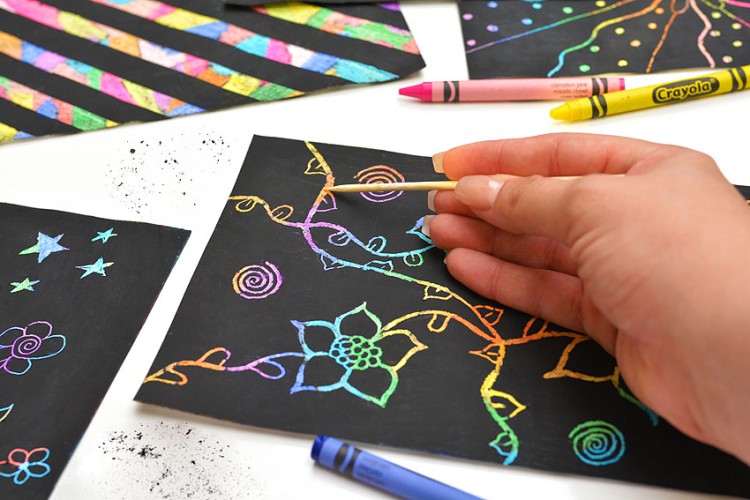
“Watercolor” Printing Using Markers


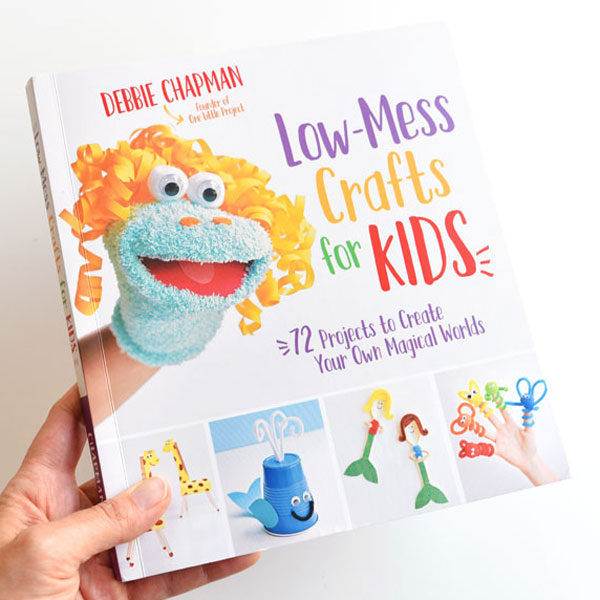
Our book Low-Mess Crafts for Kids is loaded with 72 fun and simple craft ideas for kids! The projects are fun, easy and most importantly low-mess, so the clean up is simple!
Where to buy:
You can purchase Low-Mess Crafts for Kids from Amazon, or wherever books are sold:
Amazon | Barnes and Noble | Books-A-Million | Indiebound | Amazon Canada


Leave a Reply