

Paper quilling Easter eggs are a beautiful and creative way to add handmade charm to your spring decor! Using just thin strips of paper, glue, and a little patience, you can craft intricate and colourful Easter egg designs. This craft is perfect for both beginners and experienced quillers who want a fun and relaxing project.
Display these quilled Easter eggs as the cover of a greeting card, use them as unique Easter basket decorations, or even frame them as seasonal art! With endless colour combinations and patterns to explore, each egg will be a one-of-a-kind masterpiece.

This post contains affiliate links. If you use these links to buy something, we may earn a small commission at no extra cost to you. This helps support our website and allows us to keep creating fun, free content.
Paper Quilling Easter Eggs
Equipment:
Watch the step-by-step video tutorial:
Instructions:
Step 1: Find what you need
- Gather your supplies and materials.


Step 2: Prepare the backing
- Print our free Easter egg template (find the link in the materials list above!) and cut out one egg.
- Trace the egg shape onto a piece of cardstock or cardboard.


Step 3: Quill a paper spiral
- Gather paper quilling strips in your favourite Easter colours.

- Place a toothpick over the end of a quilling strip.(You can also use a needle or paper quilling tool instead of a toothpick.)
- Begin rolling the paper tightly around the toothpick. Once the roll is secure, remove the toothpick.
- Continue until the whole strip is rolled. Then release the tension slightly to create a looser spiral shape.
- Add a small dab of tacky glue to the end of the roll.
- Press the glued end onto the roll to secure it in place. Hold until it’s set.


Step 4: Continue making quilled rolls
- Apply a bit of glue to the bottom of the roll.
- Position the roll at the top of your egg outline and press it down.Repeat with a second roll (or more) to fill the top row.
- Choose another colour and continue adding rolls in the second row, placing them so they’re almost touching the first row.
- Use a third colour for the next row. Release more of the tension from the roll to make looser, larger rolls for variation.
- Make more paper rolls with your first colour (or even add a 4th colour) for the next row.Be strategic and make rolls of different sizes to fill the row nicely. You can go on a curve like we’ve started here, or make rows straight across.
- Arrange the rolls along the row to ensure they fit neatly. You can make more rolls in different sizes to fill in any gaps. Then glue them in place.
- Keep adding rolls until your Easter egg design is complete. Allow the glue to dry.


Step 5: Trim the excess cardstock
- Once dry, cut around the Easter egg shape, trimming excess paper and erasing pencil lines if needed.
- Your paper quilling Easter egg is complete!
- Have fun making more paper quilled Easter eggs in a variety of sizes and colours!


Helpful Tips:
- The template is used to help maintain the shape of the egg. Your quilled Easter egg doesn’t need to end up being the exact size of the template. Our last egg was shorter than the outline, so we simply cut the excess.
- If you’re new to paper quilling, you may want to practice quilling a few strips of paper before beginning your first quilling project. Like knitting or crocheting, tension plays a big role in the tightness or looseness of your quilled paper. It’s also important to maintain an even tension while rolling the paper strip.

Can I use regular paper instead of quilling paper for this Easter egg craft?
Yes! You can cut thin strips of coloured printer paper using a paper trimmer if you don’t have quilling paper on hand. Just be sure to cut them as evenly as possible for a consistent look.
However, quilling paper is specifically designed to be lightweight and flexible, making it much easier to roll, shape, and glue into intricate designs. If you’re planning to do a lot of paper quilling, investing in pre-cut quilling strips will save time and give you smoother, more professional-looking results.

What type of glue works best for quilling Easter eggs?
Tacky glue is the best option for paper quilling because it has a strong hold, dries clear, and maintains flexibility without making the paper too stiff. Its thicker consistency prevents excess glue from seeping between the paper rolls. We especially like using Turbo tacky glue, which has a quicker dry time.
For even more precision, you can use a fine-tip glue applicator or a toothpick to apply small amounts exactly where needed. This ensures each paper roll stays securely in place while keeping your Easter egg quilling patterns looking neat and polished.

Can I frame my quilled Easter eggs?
Absolutely! Once your quilled Easter egg is complete, you can turn it into a stunning piece of seasonal decor by mounting it onto a contrasting background.
Choose pastel cardstock for a soft, springtime look or a darker shade to make the vibrant paper coils pop. Placing it inside a shadow box frame is a great way to protect your delicate quilling while giving it a professional display.

Paper quilling Easter eggs are a fun and creative way to celebrate spring with colourful handmade art! Whether you display them on their own or as part of a festive Easter craft display, these delicate designs add a special touch to your seasonal decor. So grab some quilling strips and start rolling!
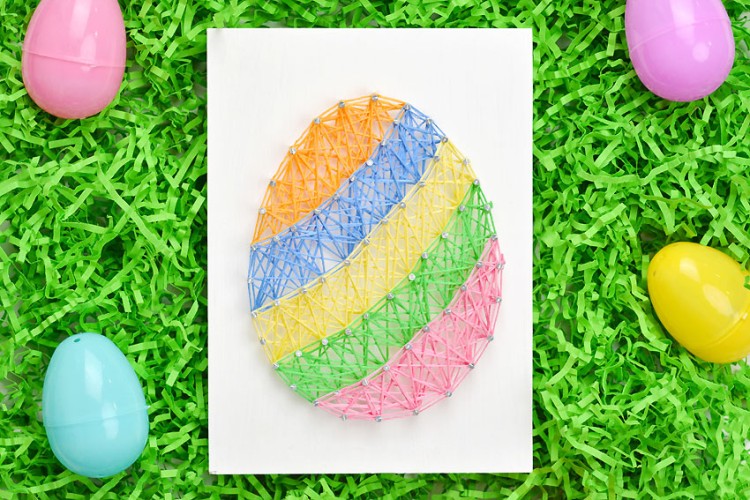
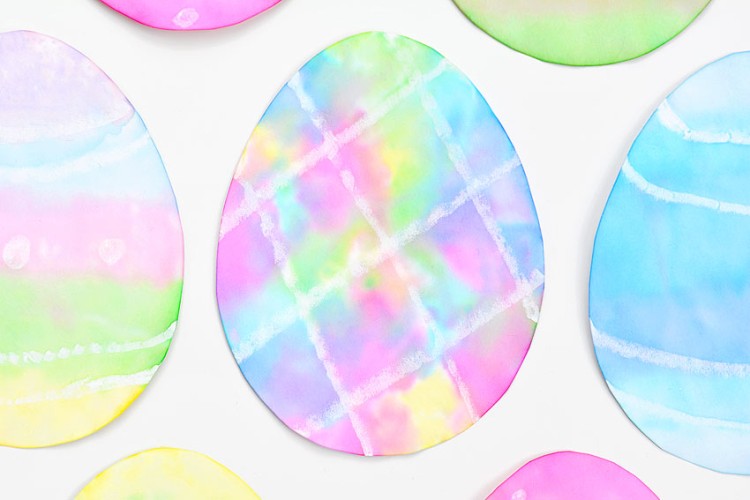
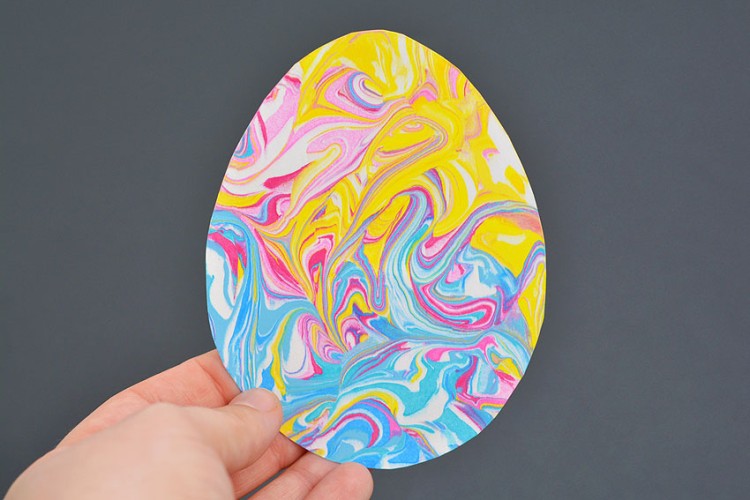
Here’s even more Easter egg craft ideas:
Now available
Low-Mess Crafts for Kids Book
72 cute and fun crafts that kids and parents alike can enjoy. All with as little mess as possible!
Where to buy:
You can purchase Low-Mess Crafts for Kids from Amazon, or wherever books are sold:
Amazon | Barnes and Noble | Books-A-Million | Indiebound | Amazon Canada


Leave a Reply