
Learning how to make a terrarium is such a fun way to bring a little pocket of greenery indoors! With a clear glass jar, a few simple layers, and the right plants, you can create a mini indoor garden that looks beautiful on your shelf, windowsill, or desk. It’s part plant project, part home decor, and it’s surprisingly easy to put together.
If you’ve ever wondered what kind of jar to use, which plants work best, how to build the layers, or how often to water a terrarium, you’ve come to the right place. This tutorial will walk you through the whole process, with plenty of tips to help you create a healthy, low-maintenance terrarium that keeps growing long after you make it.
This post contains affiliate links. If you use these links to buy something, we may earn a small commission at no extra cost to you. This helps support our website and allows us to keep creating fun, free content.
How to Make a Terrarium
Materials:
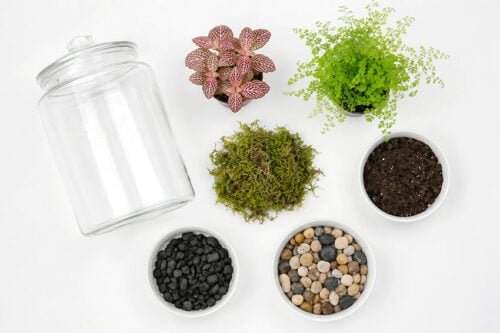
- Apothecary jar
- Pebbles (or aquarium rocks)
- Activated charcoal (or horticultural charcoal)
- Tropical potting soil
- Terrarium plants (fittonia, dwarf fern)
- Sphagnum moss
Equipment:
- Gardening tweezers (optional)
Instructions:
Step 1: Find what you need
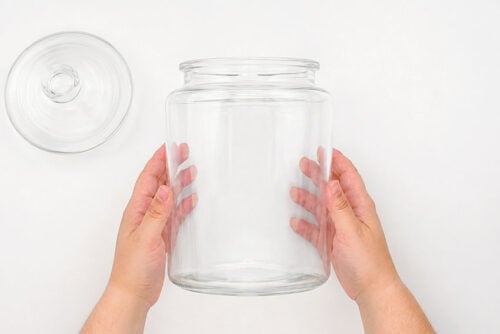
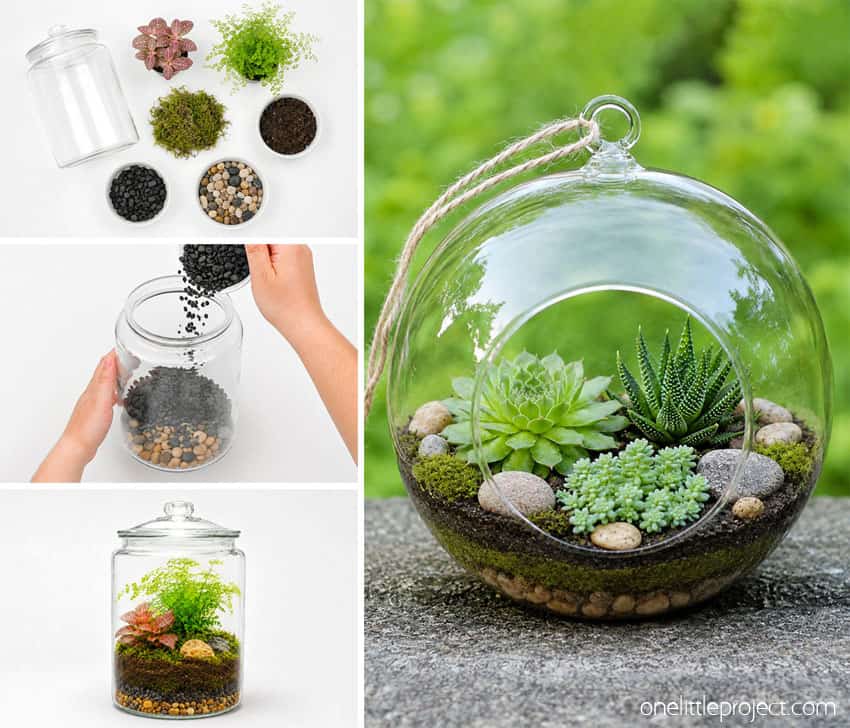
- Gather your supplies and materials.

Step 2: Add the first layers
- Choose a vessel to build your terrarium. Here we’re using a large, round apothecary jar, but there are many styles that work.Keep reading below for examples and other options.

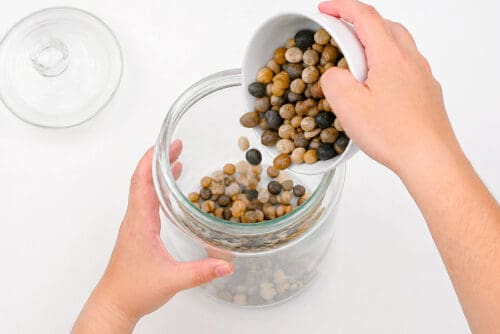
- First you’ll want to place a layer of pebbles or small rocks at the bottom of the container for drainage. This provides an area for excess water to pool.We also recommend putting a piece of mesh or landscaping fabric over the rocks as a barrier to prevent soil from washing down into the drainage layer.
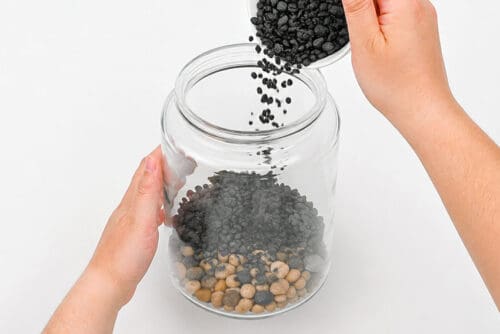
- Next up is a layer of activated charcoal. Some people don’t think charcoal is necessary in terrariums, since the charcoal only works for a certain amount of time, but we do recommend it.Charcoal helps purify the water and acts as a filter, trapping odors and gasses. There’s no real downside to including it, and it offers another interesting looking layer for your terrarium.
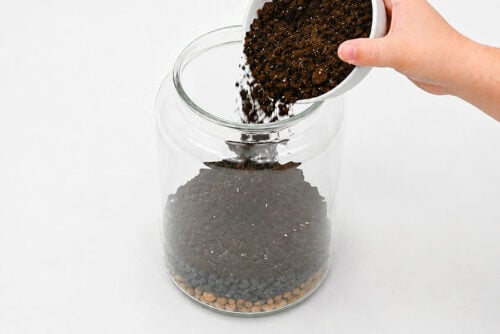
- Then you’ll add the soil or substrate for your plants to grow in. We recommend using a tropical plants potting mix.Read below the tutorial for more information on what soil is best for terrariums.
Step 3: Add your plants
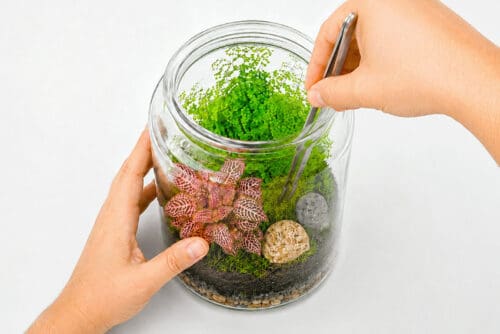
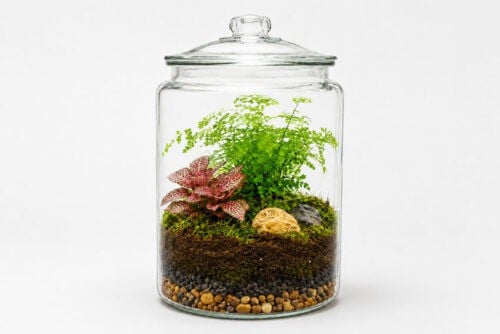
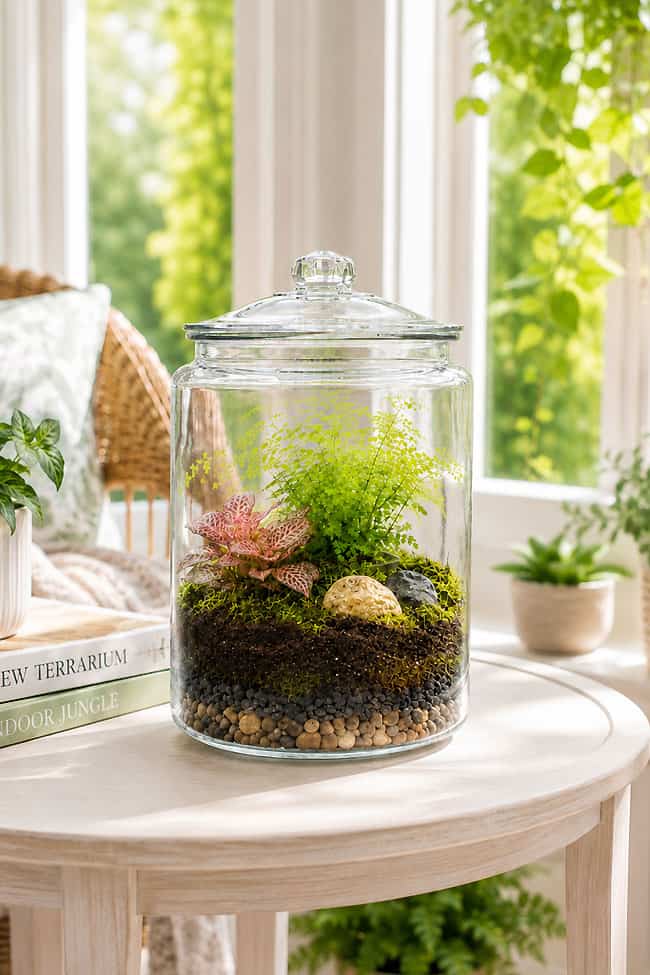
- Finally, you’ll want to add in your plants! We’ve added a pink fittonia, a dwarf maidenhair fern, and sphagnum moss.You can also add a couple larger rocks and driftwood for structure and decoration.
- Close the lid and your terrarium is complete!Keep reading below for way more details about what plants are good for terrariums, how often to water them, and more.
Helpful Tips:
- Don’t overwater your terrarium. A closed terrarium only needs a small amount of water, since the moisture stays inside the jar and cycles through the container. If water is pooling at the bottom of the terrarium, there’s too much moisture inside.
- Keep your terrarium out of harsh direct sunlight. Glass can magnify heat, and strong sun can overheat the plants inside the container. Bright, indirect light is best, such as near a north facing window or in a bright room where the terrarium won’t be sitting in direct sun.
- Choose plants with similar growing needs. Avoid mixing desert plants and tropical plants in the same terrarium, since they need very different moisture levels. Tropical plants work best in closed terrariums, while succulents and cacti should be planted in open terrariums where they get more airflow and less humidity.
What type of jar do I need to make a terrarium?
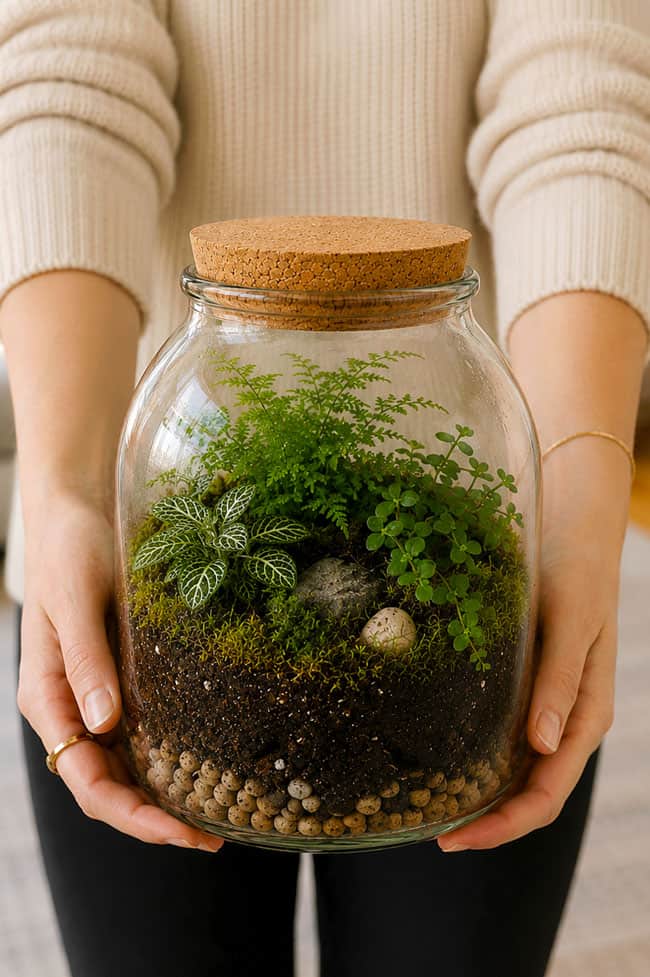
For a closed terrarium, choose a clear glass jar with a lid. A large mason jar, apothecary jar, cookie jar, or similar glass container can work well, as long as it’s large enough to fit the drainage layers, soil, and plants.
Clear glass is the best choice for terrariums because it lets light reach the plants, helps retain moisture, and is durable enough for long-term use. The opening of your container should also be wide enough to fit your hand or a pair of plant tongs inside so you can build and arrange the terrarium.
A glass or cork lid helps hold in moisture, which is what makes a closed terrarium work. You can also buy larger terrarium containers or aquarium-style glass containers if you want more space for plants and decorations.
What are the best plants for a terrarium?
The best plants for a closed terrarium are small tropical plants that enjoy humidity and moist, but not soggy, soil. Nerve plant (fittonia), small ferns, moss, peperomia, Aquamarine (pilea glauca), and polka dot plant are all good choices.
Small ferns, such as dwarf maidenhair fern, rabbit’s foot fern, and fluffy ruffles fern work well because they like the warm, humid environment inside a closed jar. Fittonia and polka dot plants add pretty colour and pattern, while moss helps create a lush, forest-floor look. Choose plants that stay small and have similar light and watering needs so they can grow happily together.
What layers does a terrarium need?
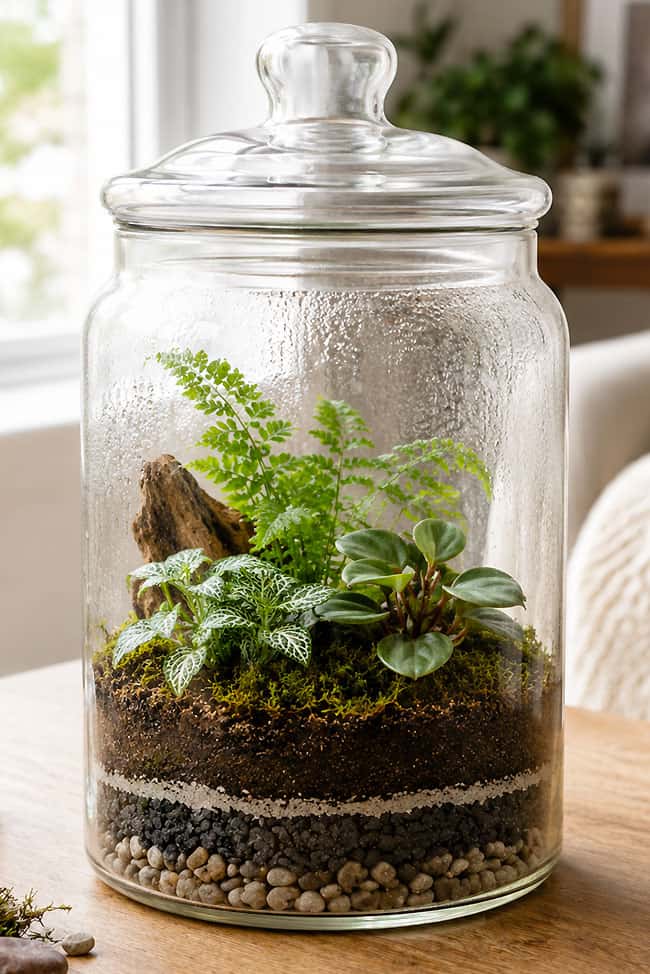
A terrarium should have these layers, ordered from the bottom up:
- Drainage: Add small rocks or pebbles to the bottom of the container. This creates a false bottom where extra water can collect, since most terrarium jars don’t have drainage holes.
- Barrier: Add sphagnum moss, mesh, or landscaping fabric over the rocks to help keep the soil from falling down into the drainage layer.
- Charcoal: Add activated charcoal or horticultural charcoal to help absorb impurities and keep the terrarium fresher.
- Soil: Add the right soil or substrate for your plants. Use tropical or indoor potting mix for a closed terrarium, or cactus/succulent mix for an open succulent terrarium.
- Plants: Add small plants with similar light and watering needs.
- Decorations: Finish the terrarium with decorative rocks, pebbles, driftwood, or crystals. These add visual interest and can help shape the terrarium structure.
How often should I water my terrarium?
A closed terrarium usually only needs to be watered every couple of months, but the exact timing depends on the size of the jar, the plants, and how often you open it. If you regularly ventilate your terrarium by removing the lid, it may need water more often.
Check the soil, the leaves, and the condensation inside the jar. A little condensation is normal, but the soil shouldn’t be soaked and water shouldn’t be pooling at the bottom. A spray bottle or mister works best because it lets you add water evenly and slowly. Mist until the soil is lightly damp, but not sopping wet.
What’s the best soil for a terrarium?
For a closed terrarium, a tropical potting mix or indoor potting mix is a good choice for beginners. These mixes are easy to find at garden centers and work well for many humidity-loving terrarium plants because they hold some moisture while still offering enough structure for plant roots.
If you get more serious about terrariums, you may want to make your own custom blend. One popular option is “ABG mix”, a soilless terrarium substrate often made with ingredients like lava rock, coco coir, charcoal, sphagnum moss, and orchid bark. You can find an ABG mix recipe on Terrarium Tribe if you’d like to try a more advanced terrarium soil blend.
How do I make an open terrarium?
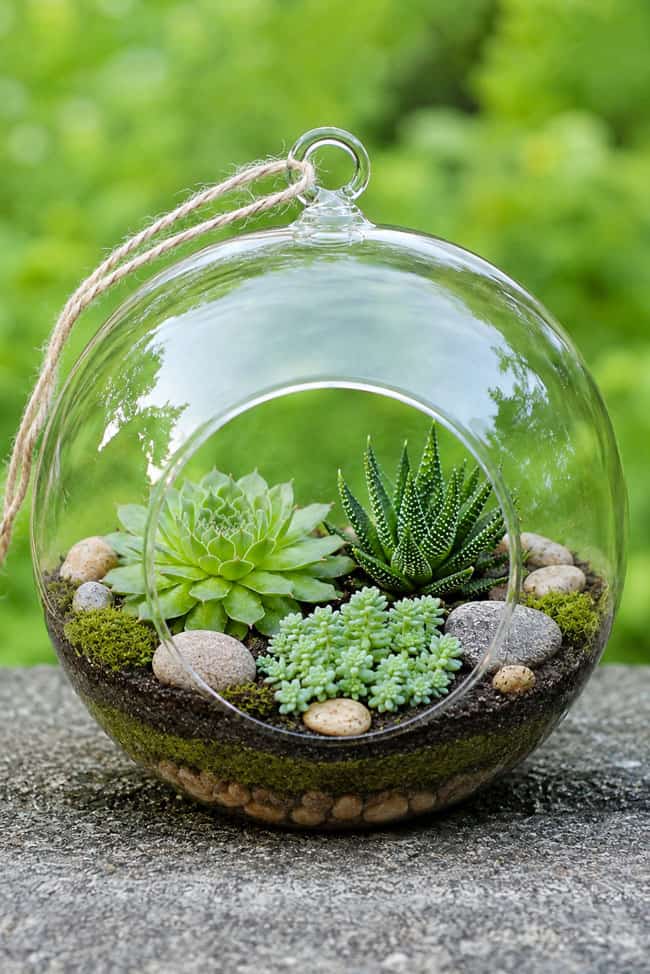
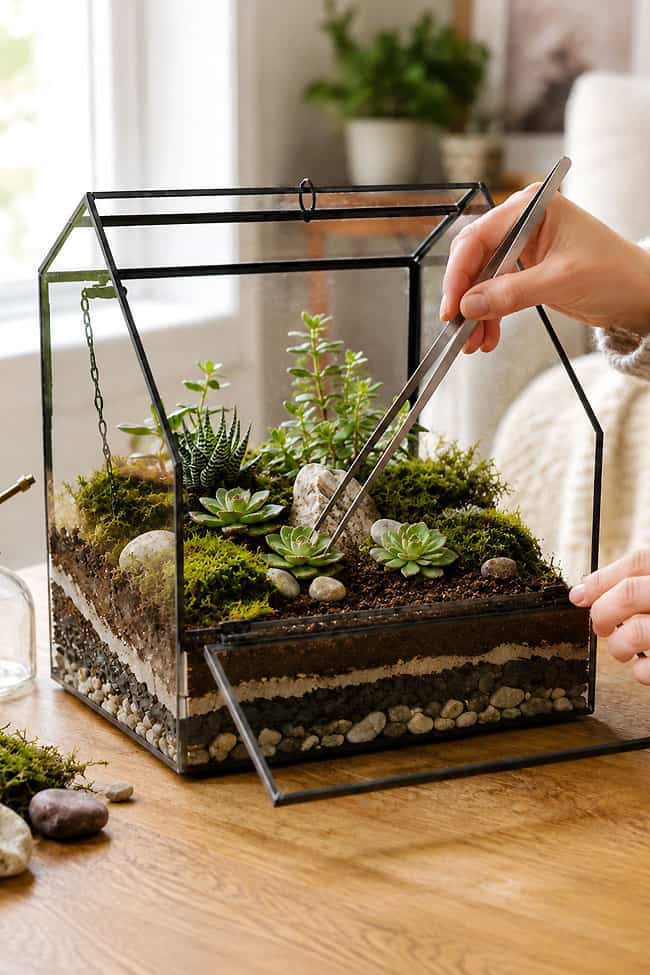
An open terrarium is best for succulents, cacti, and other low-water plants. Instead of creating a humid mini ecosystem like a closed terrarium, an open terrarium is more like a decorative indoor garden. The open top or side allows for better airflow, faster drainage, and lower humidity.
Good plants for an open terrarium include haworthia, hen and chicks, Corsican stonecrop, echeveria, sedum, and other small succulents or cacti with similar light and watering needs.
Succulents look beautiful in terrarium containers, but they should always be planted in an open container, not a closed jar. Closed terrariums hold too much moisture for desert plants and can quickly cause succulents to rot.
Making a terrarium is such a fun way to create your own tiny indoor garden, especially once you understand the right layers, plants, light, and watering routine. Start simple, choose plants that like the same conditions, and don’t worry if it takes a little experimenting to get the moisture level just right. Once your terrarium is planted, give it a good spot with bright, indirect light and check in on it every so often to see how it’s doing. It’s that simple! 😉
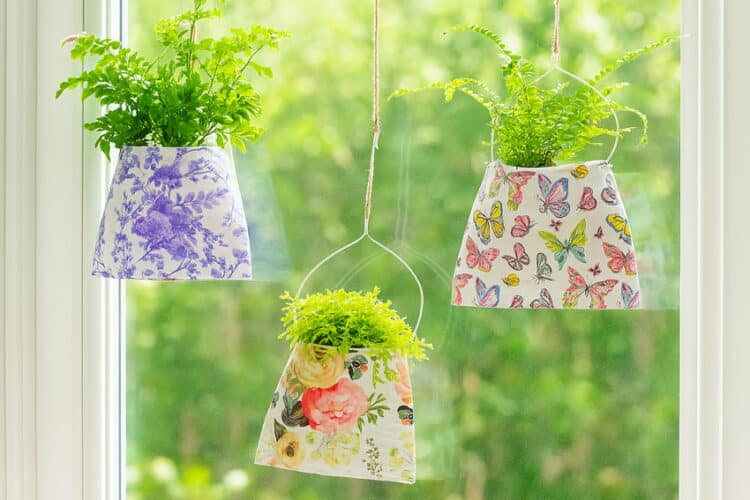
Here’s even more garden craft ideas:


Now available
Low-Mess Crafts for Kids Book
72 cute and fun crafts that kids and parents alike can enjoy. All with as little mess as possible!
Where to buy:
You can purchase Low-Mess Crafts for Kids from Amazon, or wherever books are sold:
Amazon | Barnes and Noble | Books-A-Million | Indiebound | Amazon Canada





Leave a Reply